















A panel of students, staff, and administrators offered insight into civic opportunities and education at North during Civics Day, hosted by North’s history department and Center for Civic Engagement and Service (CCES) in the Little Theater, Wednesday, Feb. 11.
Guest speakers discussed the involvement of civics in North’s history curriculum, the evolution of civic education from elementary to high school, and the extensive ways for students to be involved with local government.
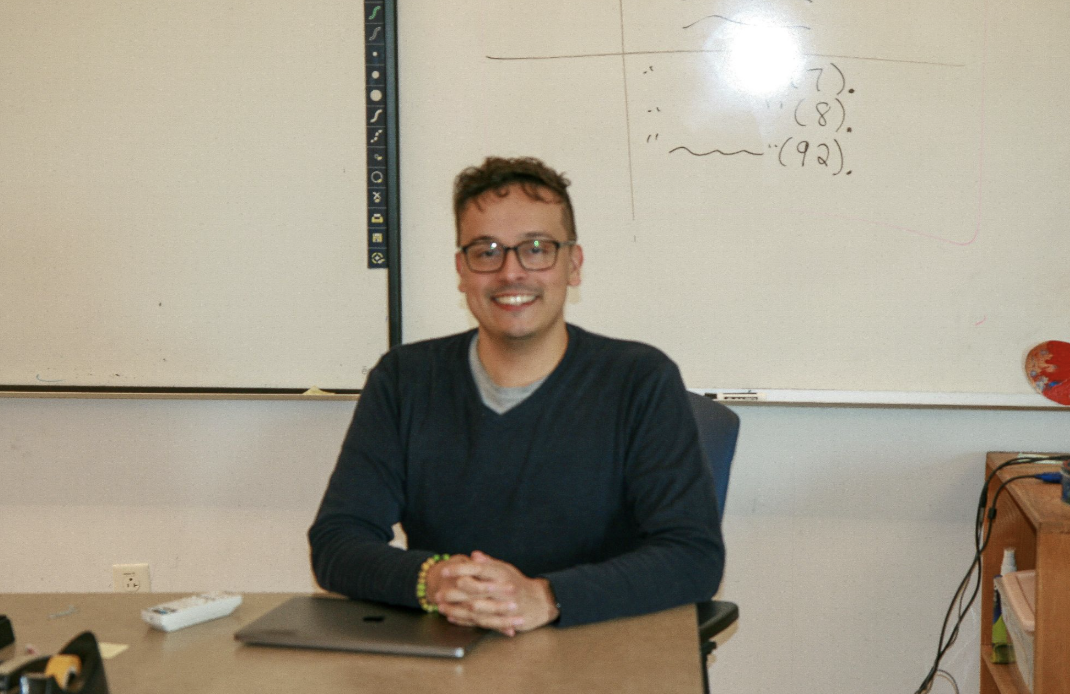
History department head Gregory Drake emphasized the history department’s goal of providing students with civic opportunities. “There is something at North for everybody, and if it doesn’t exist, you can make it,” Drake said.
While North lacks a core civics class, existing history classes lay out the groundwork for civic involvement, according to Drake. Students encounter civics while learning about the changes throughout U.S. history, the Constitution and other founding documents, and the values that drove American independence.
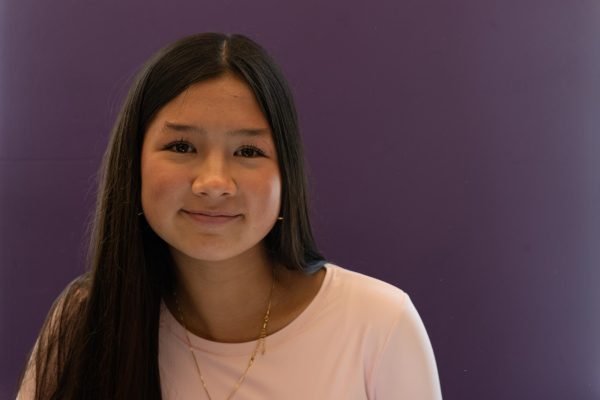
Seniors Shaelyn Shields and Maya Solomon discussed their civic experiences at North through courses, electives, and extracurricular activities.
According to Shields and Solomon, in addition to the mandatory core history classes, they took the elective Close Up: Seminar in Government, which focuses on current events and productive political discussions.
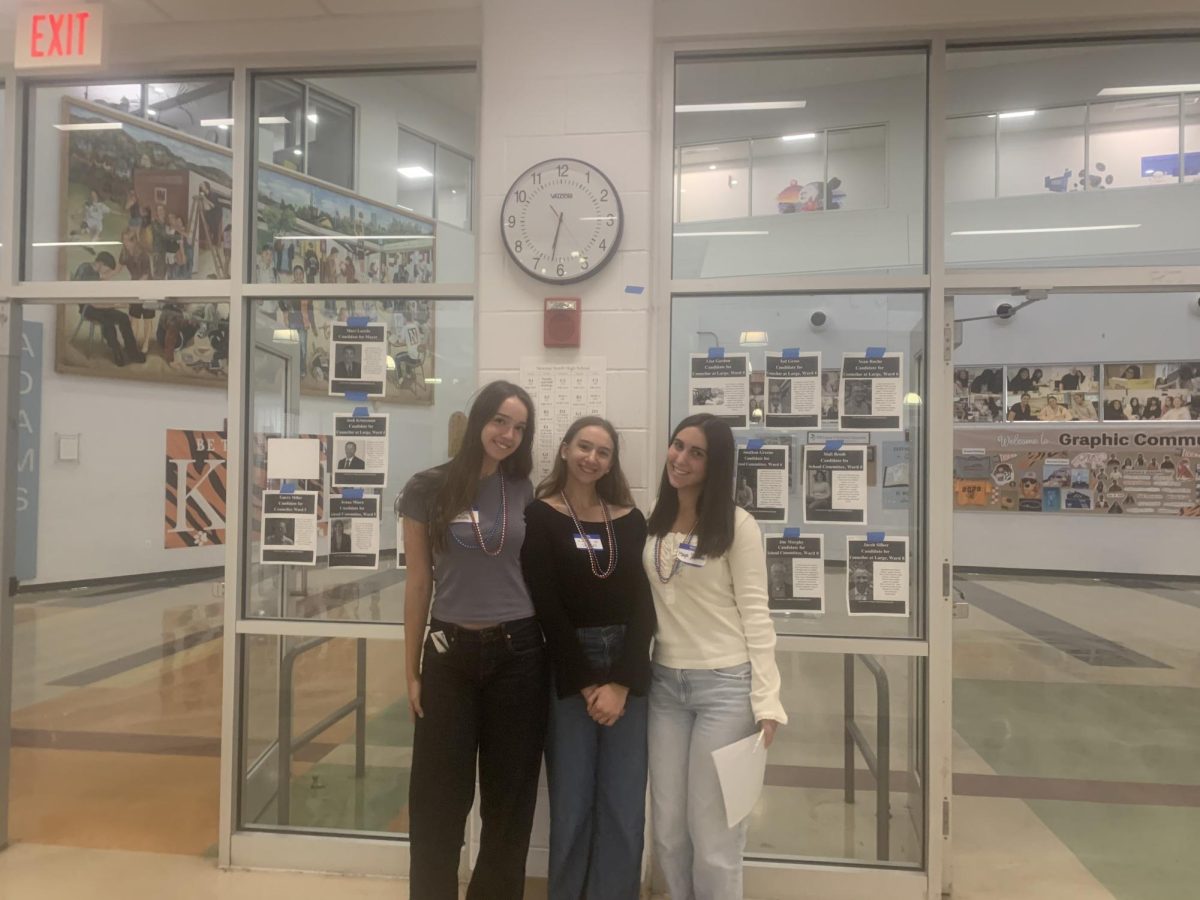
Shields and Solomon also noted that they volunteered at an event hosted by the League of Women Voters through the CCES prior to Newton’s municipal election in 2025. The event, called Saturday Afternoon at the Races, allowed voters to directly question candidates regarding their specific policies.
“It showed us how informed civic spaces help people make thoughtful decisions,” Shields said.
Newton Public Schools Director of Humanities Eva Hughes, a guest speaker, described how the public school system functions to produce students who will be properly civically engaged, a quality that she believes to be the most important part in society.
According to Hughes, North looks into larger issues, such as the rise and fall of civilizations, to prompt reflection on the relevance of history to the world they live in currently.
Hughes also discussed how civic education has changed in the past 10 years—a shift that occurred due to the country and students’ demand for spaces that allow open discourse about current events.
“There’s more than just learning about the structure of the government, but there’s a strong emphasis on how we demonstrate how to have productive conversations that are constructive and how to get along and live together with disagreements,” said Hughes.
Co-director of CCES Claudia Wu, another guest speaker, discussed the center’s aim to expose students to civics by helping them become civically engaged and informed through volunteer opportunities, leadership, and community work.
“The worst thing for a democracy is if people are apathetic and don’t participate, because it relies on people to get involved, to be knowledgeable, and to get informed if they aren’t informed,” Wu said.
According to Wu, students can come to the CCES with no prior planning or knowledge and the center will work with them to find ways to explore civics.