














Following ties in both the Class of 2027 and Class of 2028 student elections last year, co-presidents have been effective in handling shared responsibilities.
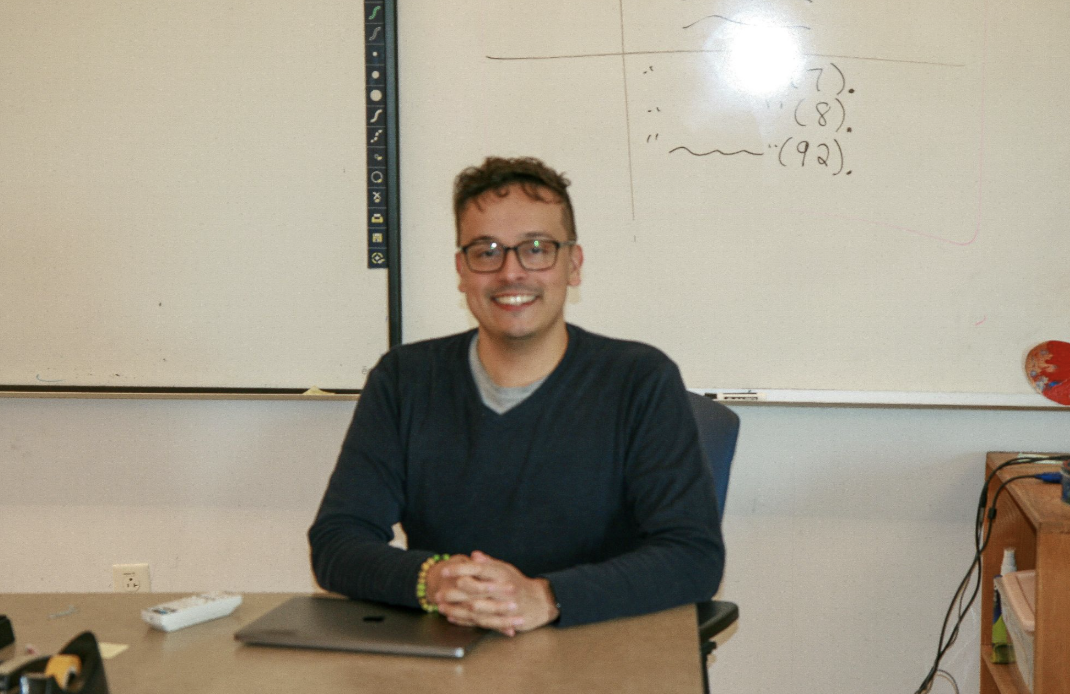
According to CTE and TV Media Arts teacher Amanda Mazzola, advisor of the Class of 2027, co-presidents are rare and only occur when there is an exact tie in the student election results.
“Having two presidents means there is more opportunity for different voices when thinking about planning events,” said Mazzola. “The officers are all very different and bring unique ideas and perspectives.”
Mazzola added that North typically elects one president and four vice presidents every year who work together to organize fundraisers that raise money for grade-wide events..
According to junior Rowan Fine, a co-president of the Class of 2027, the co-presidency is in the best interest of the grade.
“It’s all communication, expressing what you see, and figuring out how you can tackle a problem,” Fine said. He added that both he and junior Nya Lubars, the class’s co-president, balance each other’s ideas and work to make attainable and realistic plans.
According to Mazzola, collaboration is a part of being class president regardless of who holds the title. While the presidents and vice presidents divide tasks, she said, the officers “work collaboratively on all activities,” whether they’re planning fundraisers, securing venues, or coordinating school-wide events.
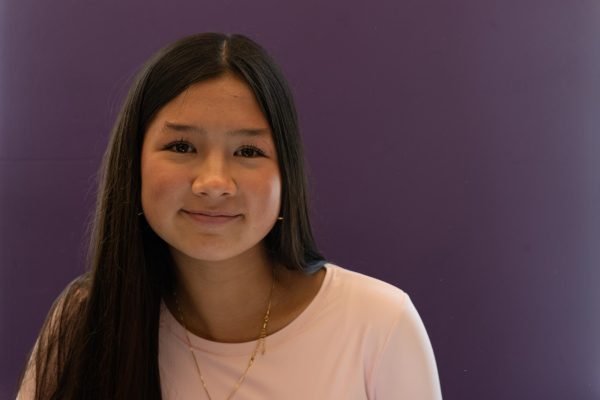
Following initial uncertainty, sophomores Filippa Blake and Dashawn Darocha, co-presidents of the Class of 2028, said their partnership has grown into an advantage.
“We both have very different social circles and that provides us with different perspectives,” Blake said. “We’re not just hearing from one sub-group of opinions from North.”
According to Blake, sharing the role and responsibilities of class president calls for confidence in one another. “We have mutual trust with each other. We don’t necessarily check each other’s every move.”
Doracha added that he and Blake often split tasks to capitalize on their strengths and increase efficiency. The two meet together to make final decisions after leading separate teams within the group of officers.
“We have differences obviously, but when we come together, that’s what ultimately makes us a stronger group,” said Blake.